
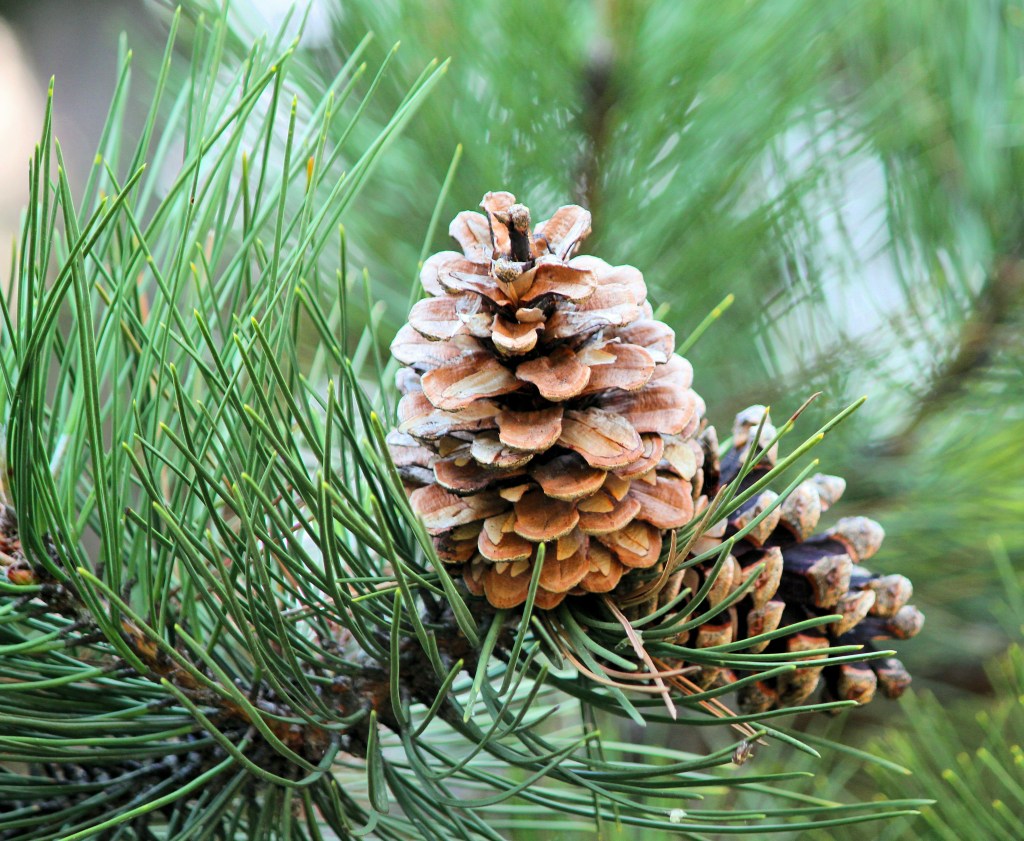
Pinene at a Glance:
- Aroma: Fresh, woody pine-like with crisp resin notes
- Found in: Pine trees, rosemary, basil, dill, parsley, eucalyptus and sage
- Potential Effects: Anti-inflammatory, antimicrobial, neuroprotective, cognitive support, antidepressant and anti-anxiety potential.
Meet Pinene
Pinene is where cannabis meets clarity. It’s the terpene that gives pine trees, rosemary and some cannabis strains their fresh, forest like scent – but its effects go far beyond aroma, pinene is the most common terpene found in nature and plays a surprisingly active role in how we think and feel.
One of pinene’s standout actions is its effects on acetylcholine; a neurotransmitter that helps your brain handle memory, learning and attention. Normally an enzyme called acetylcholinesterase breaks down acetylcholine down; but pinene, more specifically α-pinene, slows that process, allowing acetylcholine to stay active longer. In simpler terms, this means pinene may help support sharper focus and reduce the forgetfulness of THC.
Pinene has also been studied for its anti-inflammatory and bronchodilating effects which may help ease breathing and calm inflammation throughout the body.
Digging Deeper:
There are two main structural types of pinene:
- α-Pinene: shape, bright and piney with notes of rosemary and eucalyptus. Often linked to alertness, focus and clear-headed energy.
- β-Pinene: earthier and more resinous, like pine bark or fir needles. May bring a calmer, grounding effect.
Both are non-toxic, non-mutagenic and approved for food use. Though similar, their subtle structural differences lead to slightly different biological actions.
What the Research Says
Mood, Anxiety and Sleep
α- and β-Pinene don’t bind to the body’s cannabinoid receptors (CB1 or CB2) the way THC and CBD do – however, they still exert strong effects on the brain through other systems. Animal studies have shown that both forms interact with GABA, serotonin (specifically 5-H1TA) and adrenergic receptor subtypes; all crucial in regulating mood and anxiety.
In mice, these interactions produced antidepressant and anxiolytic – like effects, improving mobility and reducing anxiety behaviours in a forced swim tests (a pretty grim animal test that many consider unethical and scientifically outdated that is still used to assesses the animals stress-coping behaviours, generally in testing of antidepressants efficacy). α-Pinene in particular appears to bind to the benzodiazepine site of the GABA-A receptor, a key mechanism shared with medications that promote sleep and relaxation. Studies show it can reduce sleep latency and extend non-REM sleep without affecting REM – suggesting its sedative action is gentle, restorative and balanced.
These findings hint that pinene’s calming effects could mirror the benefits of common antidepressants or sleep aids, but with a naturally broader mechanism and fewer side effects.
Neuroprotection and Brain Health
Pinene’s antioxidant and anti-inflammatory properties give it significant neuroprotective potential, In studies using animal models of stroke and cerebral ischaemia, administration of α- and β-pinene reduced infarct size (the area of brain damage), improved neurological recovery and restored behavioural function. These effects were linked to decreased oxidative stress and inflammatory activity in brain regions such as the hippocampus, striatum and cortex.
This same protective action suggests a possible role in neurodegenerative conditions. α-Pinene may enhance acetylcholine activity by stimulating choline acetyltransferase (ChAT) – an enzyme involved in producing the key neurotransmitter for learning and memory. By increasing acetylcholine and exerting antioxidant effects in the hippocampus, α-pinene could help counter cognitive decline associated with Alzheimer’s disease.
Analgesia and Inflammation
Pinene’s anti-inflammatory and pain-reliving effects have been repeatedly demonstrated in rodent studies. Both α- and β-pinene reduced inflammatory responses and pain sensitivity, showing comparable efficacy to gabapentin, indomethacin and morphine – but with longer-lasting relief and fewer sedative effects.
Wile the exact mechanisms remain unclear, evidence points to activity at GABA and opioid receptor subtypes (GABA-A and μ-opioid), as well as broader modulation of oxidative stress pathways – essentially meaning pinene may help calm the nervous system, ease tension and protect cells from stress-related damage.
These together position pinene as a promising candidate for natural pain management, particularly where inflammation and neuropathic pain overlap.
Memory and Cognition
Pinene has long been rumoured to counteract the “memory fog” sometimes linked to THC, though controlled studies haven’t confirmed this in humans. Early laboratory work found that α-pinene increased cortical acetylcholine production, which supports short-term memory and cognitive clarity – possibly explaining its association with mental sharpness.
However, more recent research directly examining α-pinene in combination with Δ⁹-THC showed no measurable effect on THC-induced memory impairment. The conclusion: while pinene may independently support cognitive health, it doesn’t appear to offset THC’s short-term effects with the research currently available.
Still, its antioxidant and cholinergic actions suggest a valuable role in long-term cognitive resilience.
Beyond Cannabis
Pinene-rich plants and essential oils have been used in traditional medicine for centuries – from pinene resin balms to rosemary infusions. Historically, they’ve been applied to treat inflammation, colds, anxiety, digestive issues, rheumatism and even seizures.
Modern research is beginning to validate these uses, showing pinene’s potential for:
- Reducing airway inflammation and easing breathing (hence that “forest-fresh” feeling)
- Supporting immune regulation through antioxidant action
- Acting as a mild sedative and anxiolytic
- Protecting against brain injury and oxidative stress
It’s also widely used in perfumes and cleaning products, thanks to its crisp, clean scent – proving that chemistry and comfort sometimes meet in unexpected ways.
Fun Fact
Pine doesn’t just smell like the forest – it’s how trees talk to each other.
When pine trees release pinene into the air, it acts both as a repellant and a messenger; lettering insects and fungi while signalling to neighbour trees to ramp up their own defences. It’s one of natures earliest examples of chemical communication – a forest-wide immune system built on scent.

The Mossy Takeaway
Pinene is the breath of the forest bottled by nature – refreshing, grounding and quietly protective. It clears the air, soothes the body and steadies the mind.
Whether you find it in a strain, essential oil or the scent of the bush after rain, pinene connects you back to that simple act of breathing deeply and feeling alive.
It’s a reminder that sometimes, healing starts with just one breath – and the trees have been showing us all along.
Sources:
- The Individual and Interactive Effects of Alpha-Pinene and Delta-9-Tetrahydrocannabinol in Healthy Adults
- Characterizing cannabis-prevalent terpenes for neuroprotection reveal a role for α and β-pinenes in mitigating amyloid β-evoked neurotoxicity and aggregation in vitro
- A Review of the Potential Use of Pinene and Linalool as Terpene-Based Medicines for Brain Health: Discovering Novel Therapeutics in the Flavours and Fragrances of Cannabis
- A Review of the Potential Use of Pinene and Linalool as Terpene-Based Medicines for Brain Health: Discovering Novel Therapeutics in the Flavours and Fragrances of Cannabis
- α-Pinene: A never-ending story
 Mossy Hits
Leave a comment